Historical Figures
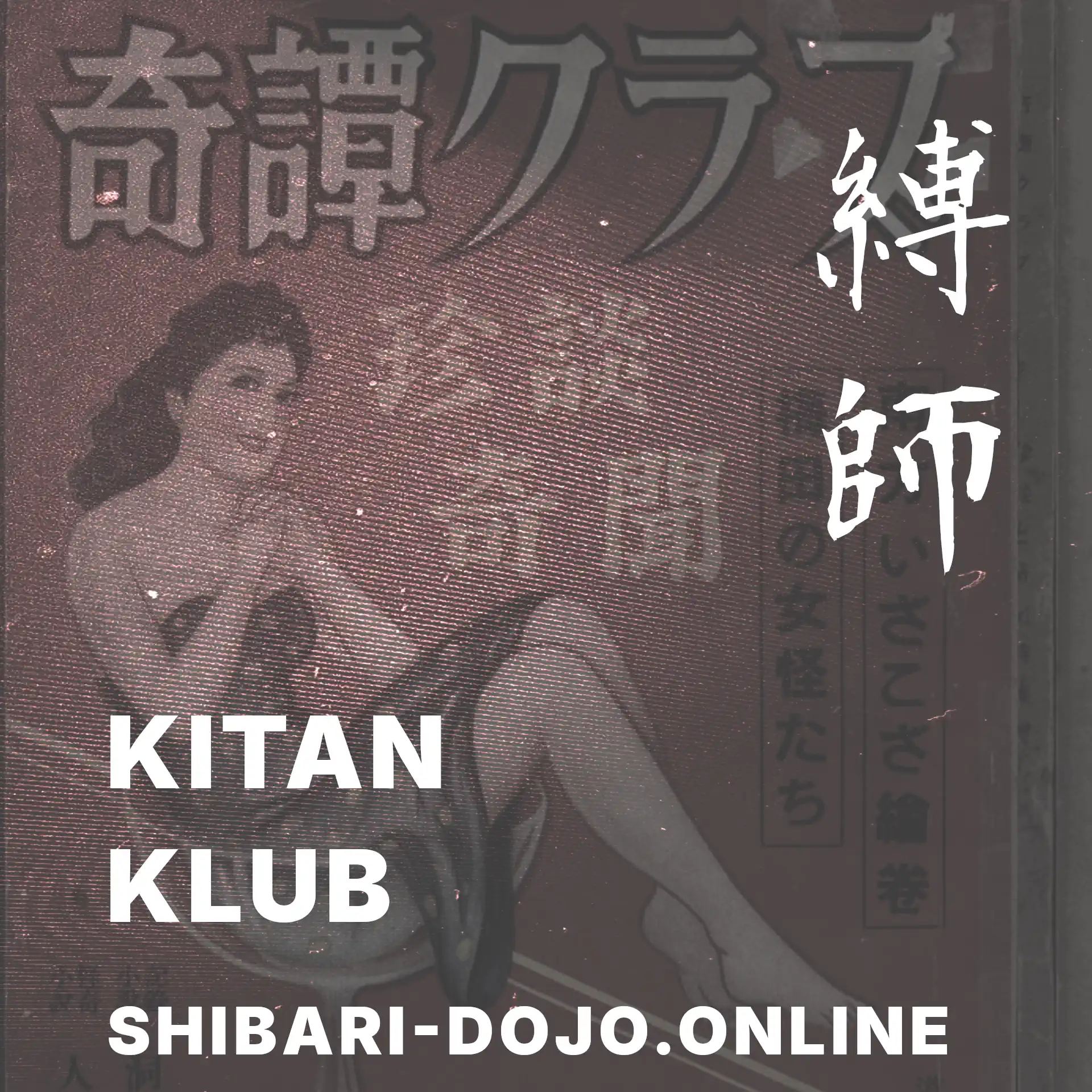
Kitan Club (奇譚クラブ)
Kitan Club (奇譚クラブ) was published from 1946 or 1947 (year 21 or 22 of the Showa era) until 1975 as a cheap magazine printed on low-quality paper, one of the so-called kasutori zasshi (カストリ雑誌, pulp magazines). Over that time, and above all from the 1990s onward, it became an international reference point for Japanese sadomasochism (SM) and kinbaku (緊縛).
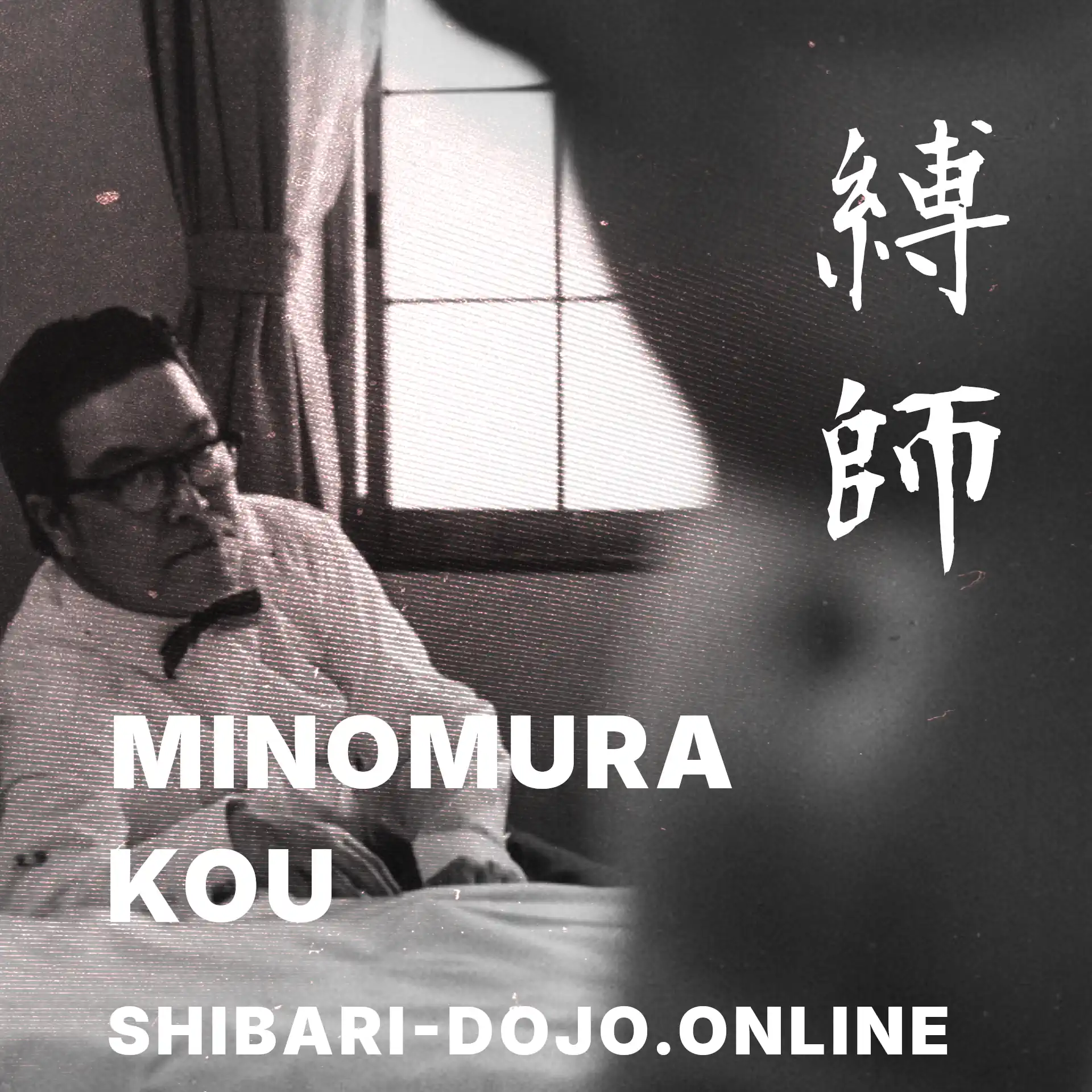
Minomura Kou / Kita Reiko (美濃村晃/喜多玲子)
Suma Toshiyuki (須磨利之, 1920–1992), known professionally as Minomura Kou (美濃村晃) and also as Kita Reiko (喜多玲子), was a Japanese editor and visual artist and a pioneer of kinbaku.
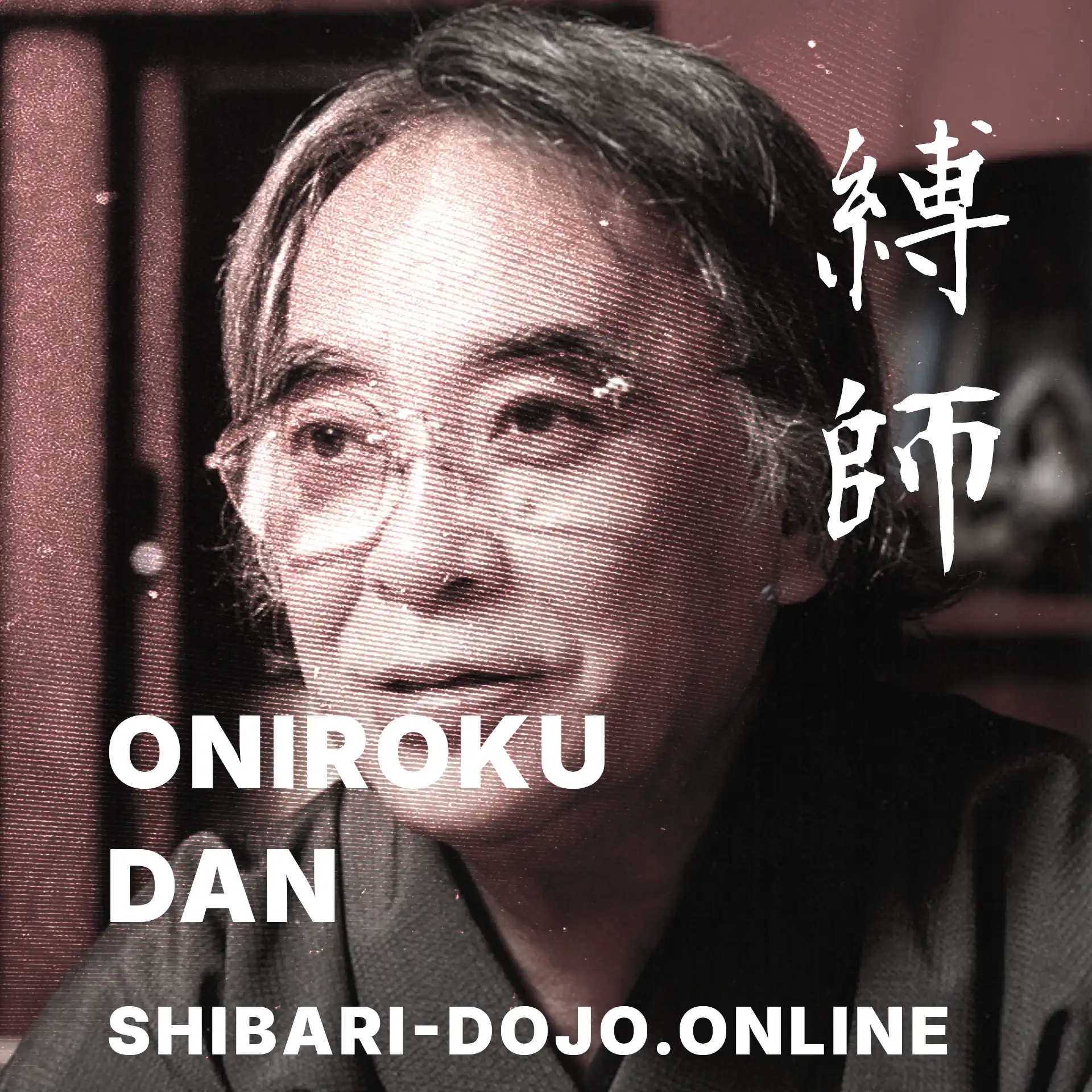
Dan Oniroku (団鬼六)
A Japanese writer and a fundamental reference in the history and evolution of the SM genre in Japan.
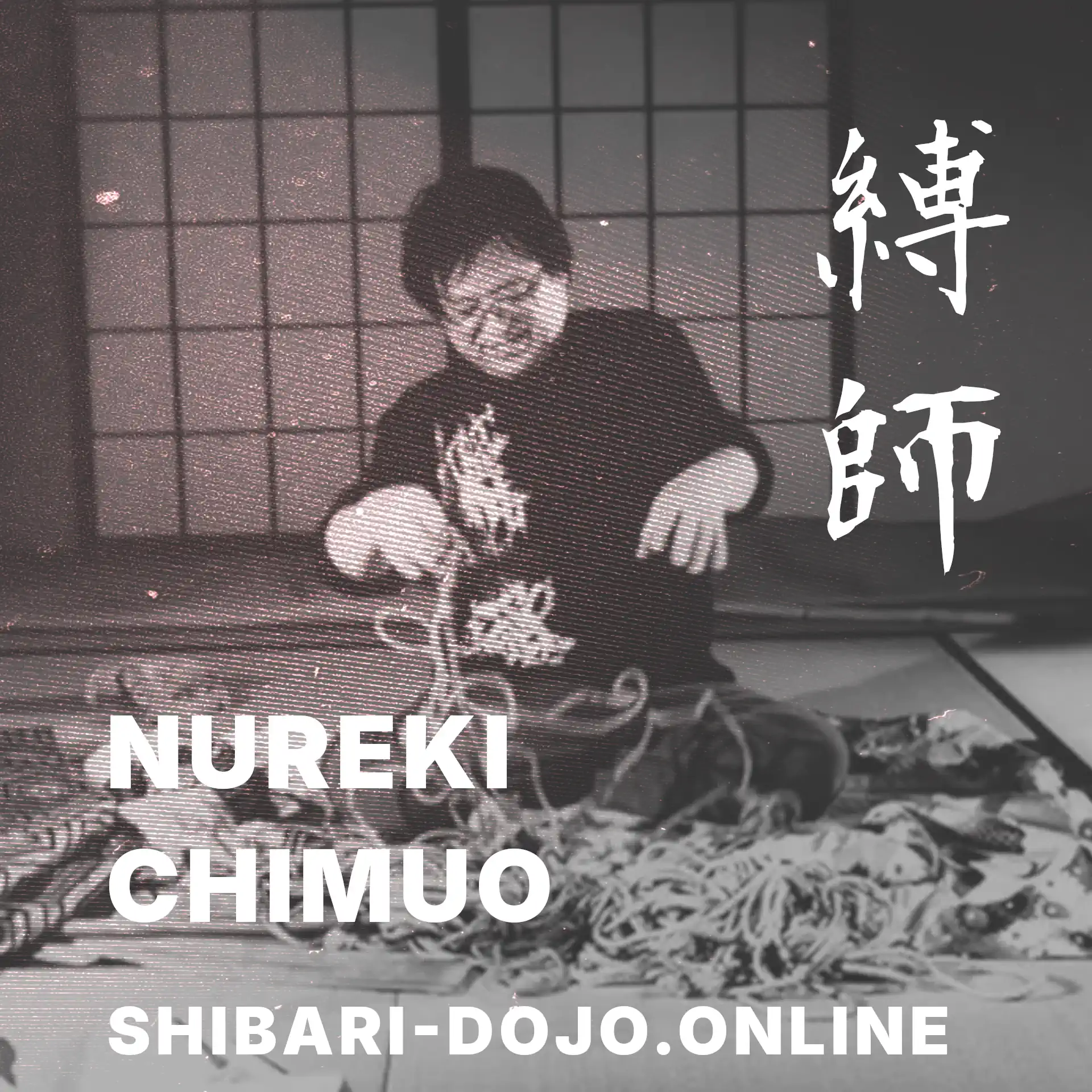
Nureki Chimuo (濡木痴夢男)
A Japanese bakushi (縛師), he was born in 1930 (year 5 of the Showa era) in Asakusa, Tokyo, and died on September 9, 2013 (year 25 of the Heisei era), at the age of 83. His professional career spanned almost 60 years, during which he took part in the origin, development and spread of what we now understand as shibari kinbaku.
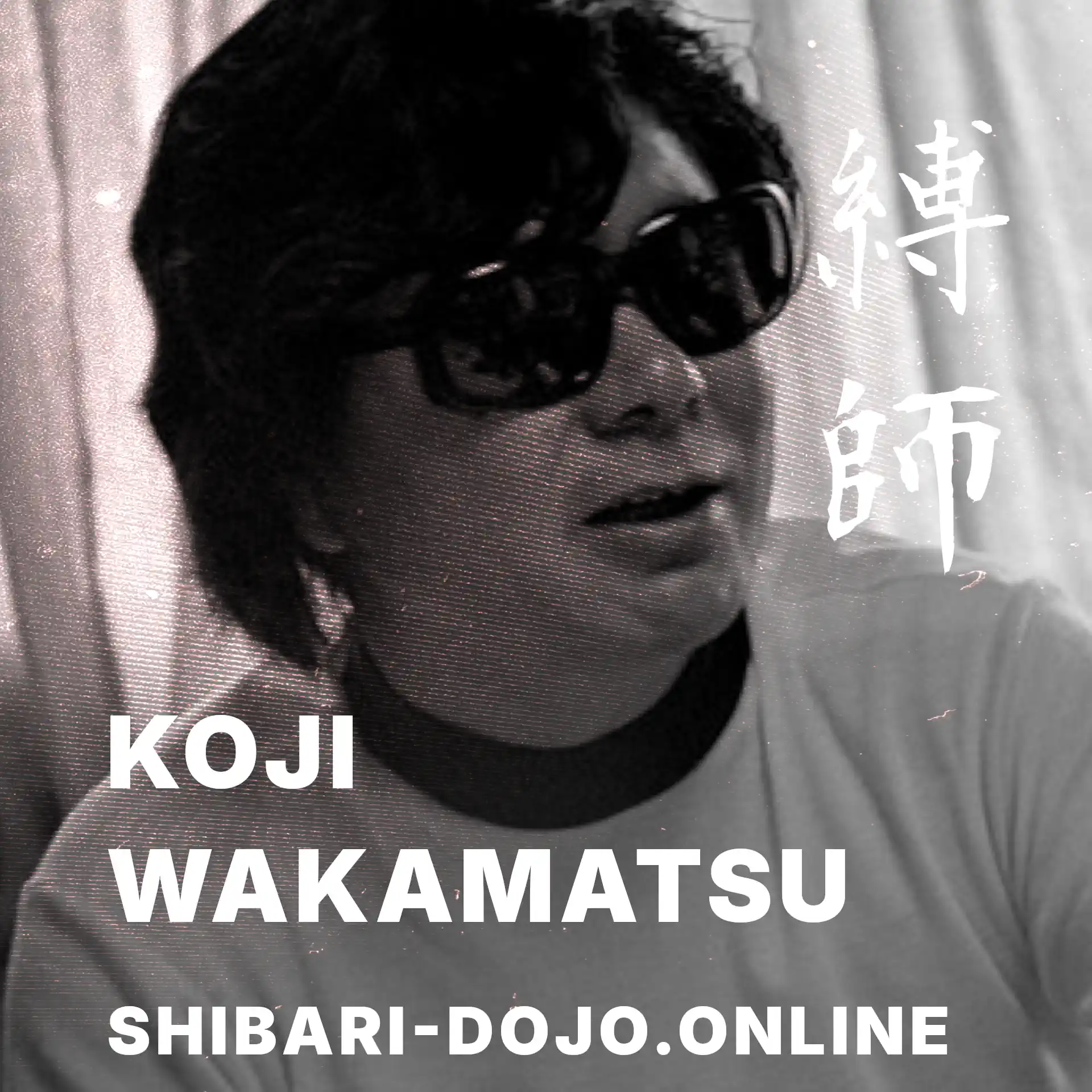
Wakamatsu Koji (若松孝二)
Wakamatsu Koji (若松孝二) was born in 1936 (year 11 of the Showa era) and died in 2012 (year 24 of the Heisei era). He was a Japanese film director known for his provocative style and his uncensored view of sexuality and violence.
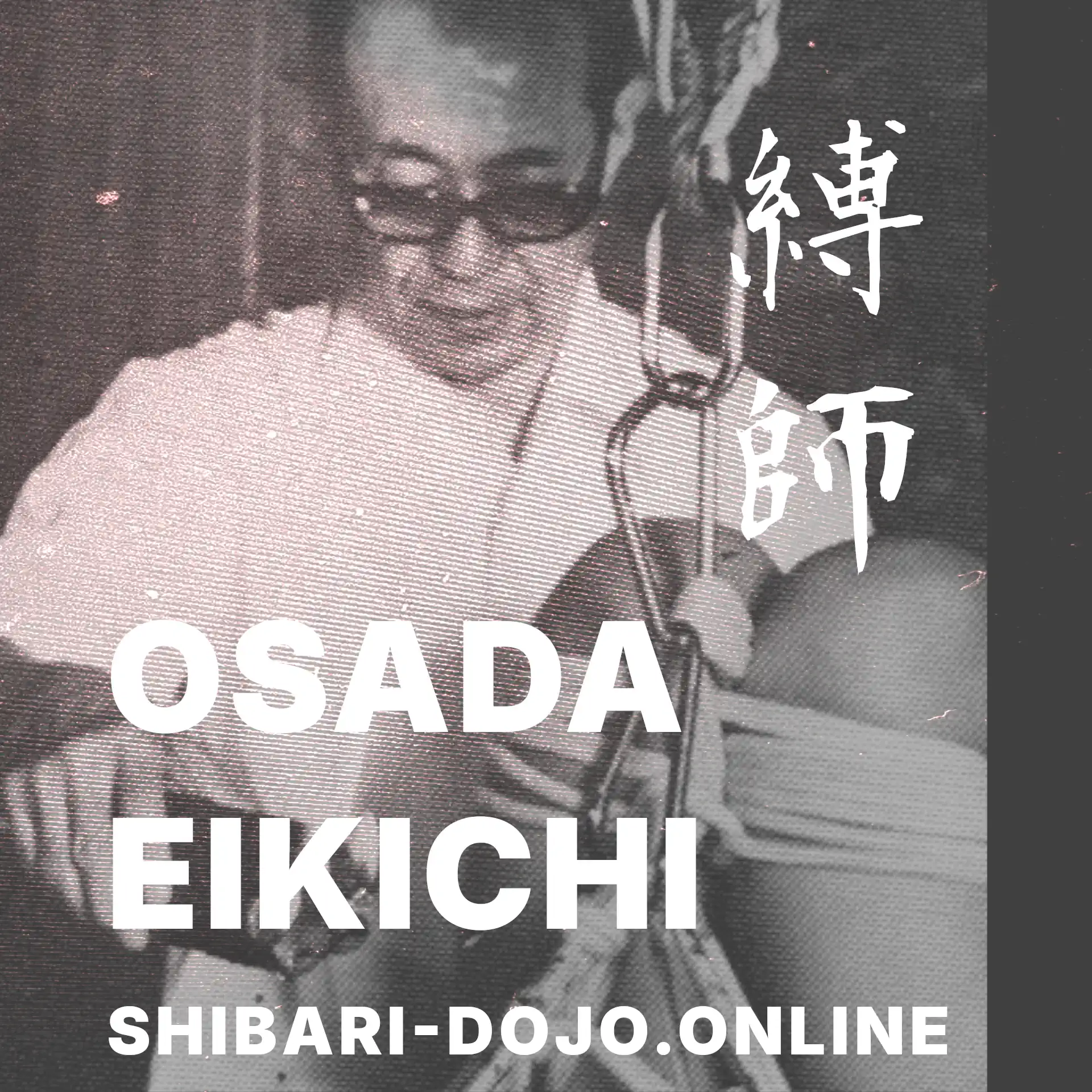
Osada Eikichi (長田英吉)
Osada Eikichi (長田英吉) was born on March 15, 1925 (year 14 of the Taisho era) and began his public activity on the kinbaku scene in the mid-sixties; in 1976 he organized events with Tamai Keiyu (玉井敬友).

Aoi Marie (葵マリー)
Aoi Marie (葵マリー) is one of the historic names of Japanese SM. Since the eighties, the title has been passed down hereditarily and has become a “brand” in the world of adult entertainment.
Let us take a closer look at this system of generations and at the figure of the different Aoi Maries.

Tohjiro (伊藤智生)
Some careers look contradictory from the outside. That of Tohjiro—the professional name of Ito Chisho (伊藤智生), also credited as Ito Yuichi (伊藤裕一) in some early works—is one of them.

Akechi Denki (明智伝鬼)
It was during the boom of SM magazines in the seventies and SM show companies in the eighties that Akechi Denki emerged as a stage director, soon moving on to adult film.
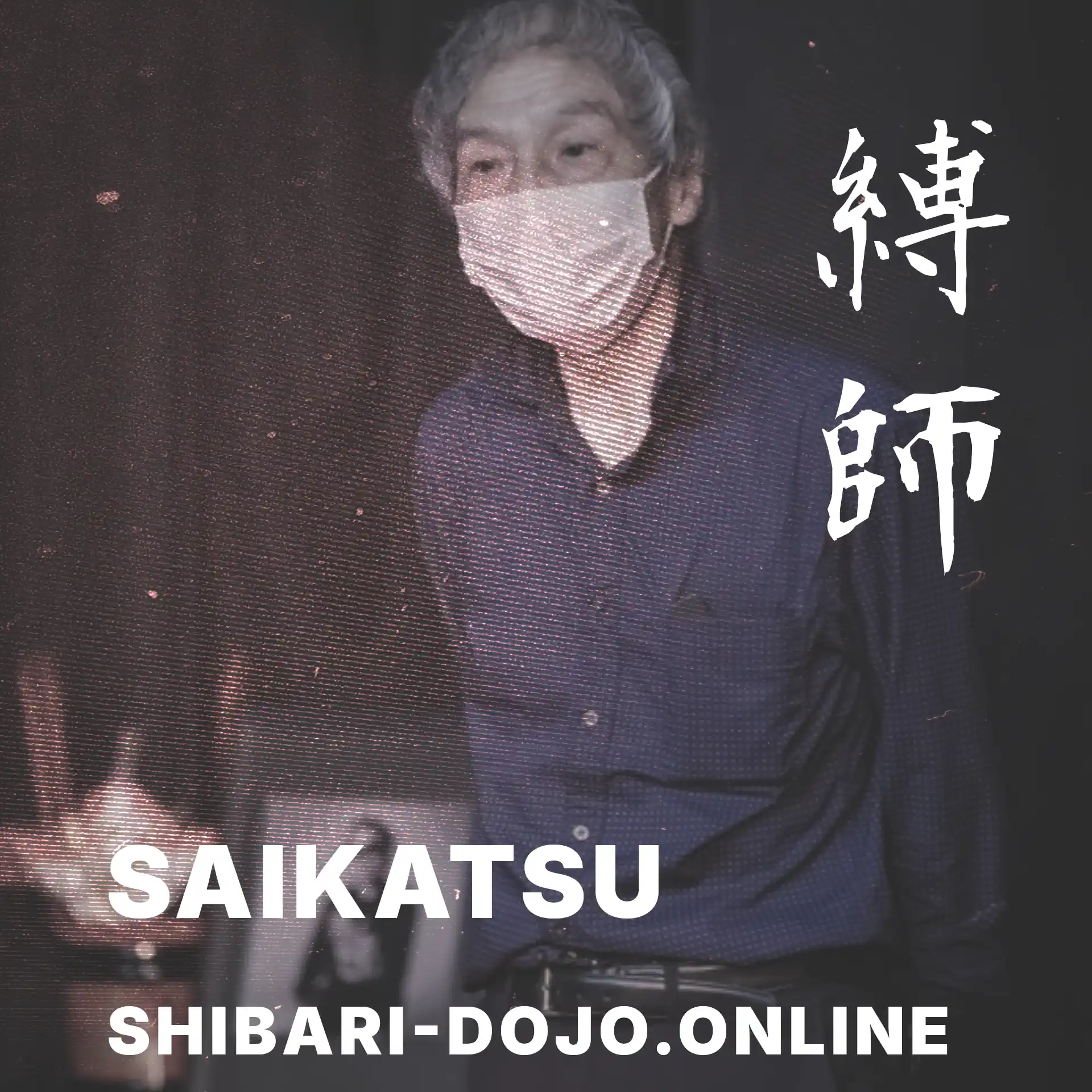
Saikatsu (才勝)
In the genealogy of contemporary kinbaku there are figures whose value lies not in technical innovation or public profile, but in the careful safekeeping of a shared memory. Saikatsu, born, by his own account, in the late forties in Ishikawa Prefecture, belongs to that second category.
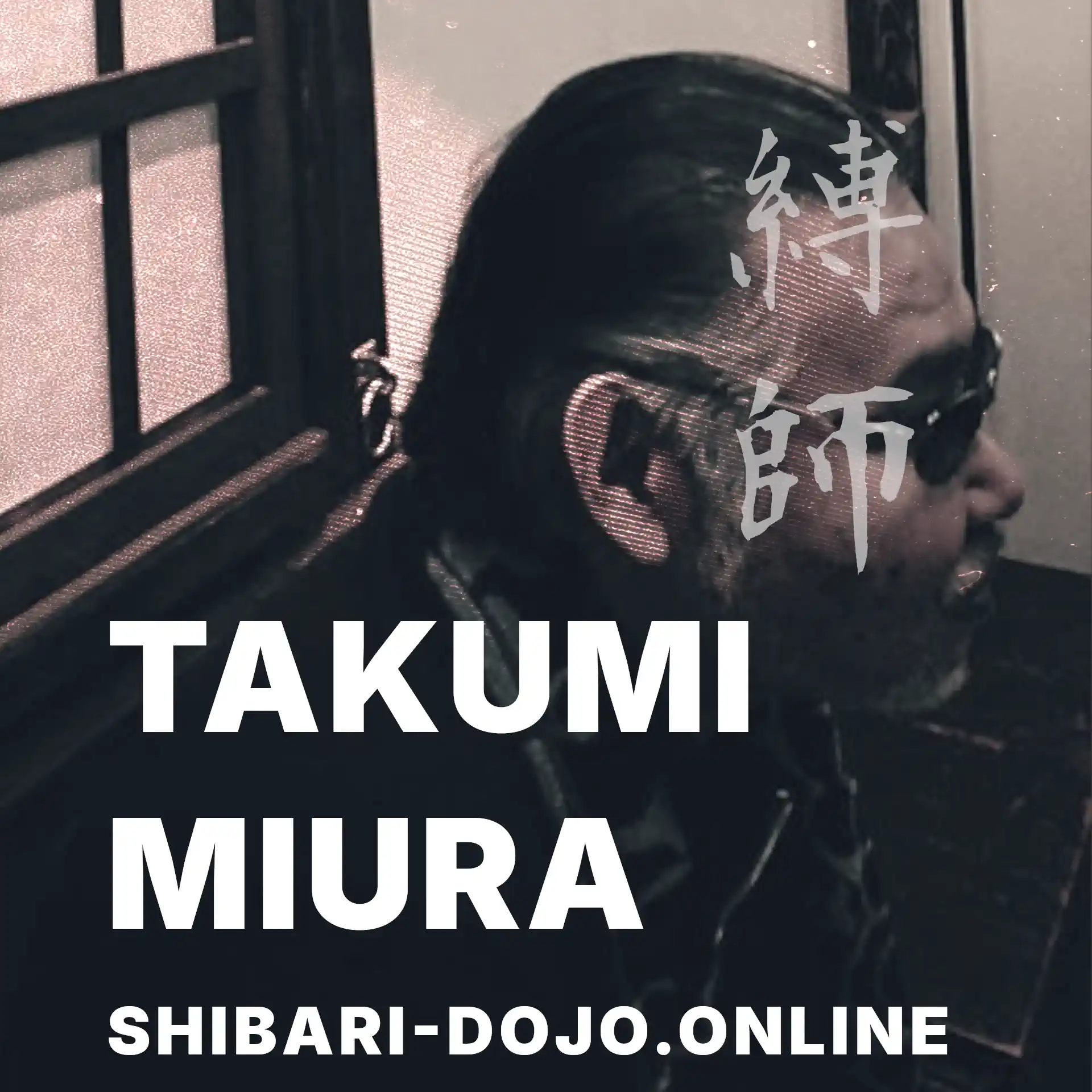
Miura Takumi (神浦匠)
Miura Takumi was a leading rigger of the Heisei era and yet little known outside Japan.

Yukimura Haruki (雪村春樹)
Yukimura Haruki (1948–2016) was one of the leading Japanese riggers, for his influence, his output and his singularity.
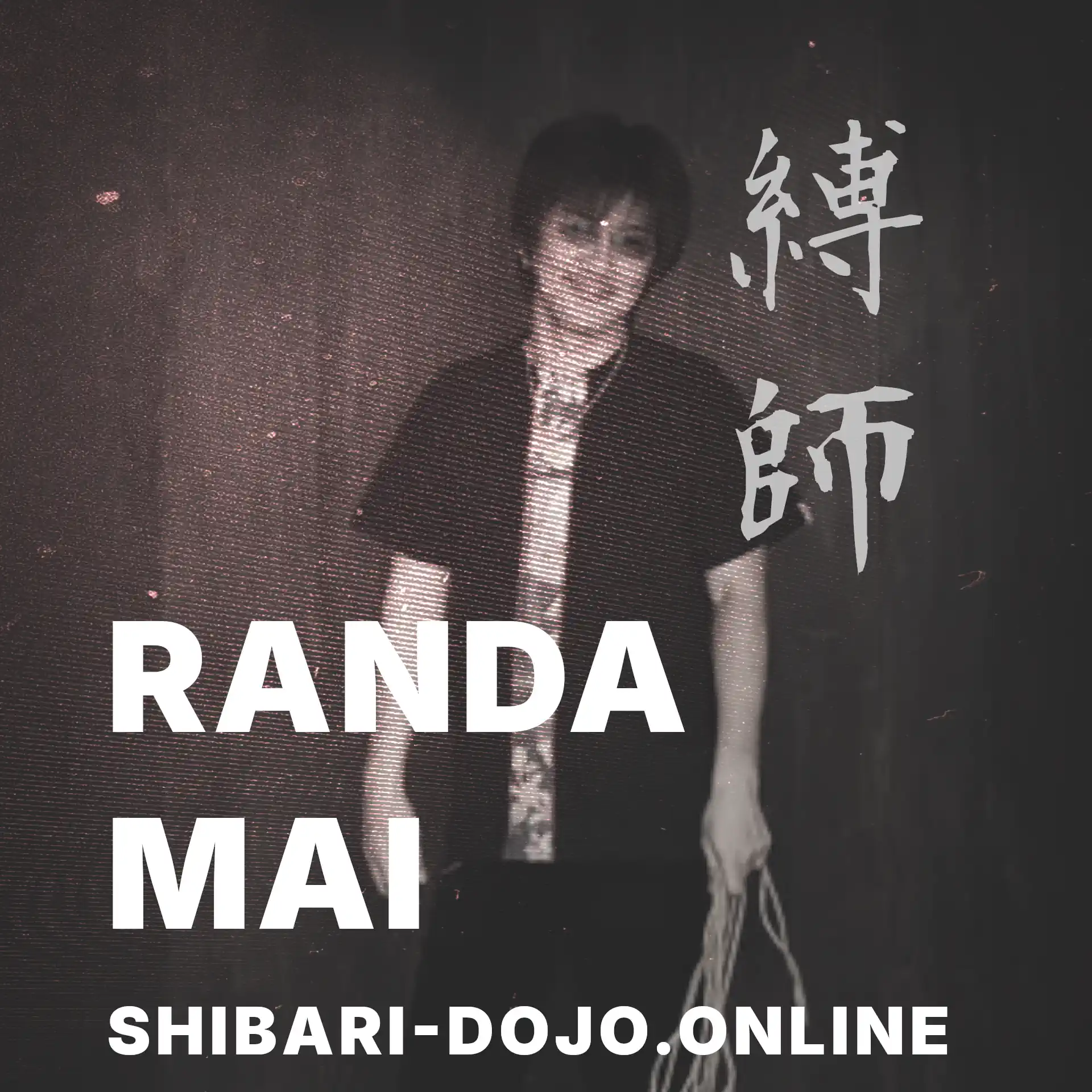
Randa Mai (乱田舞)
Randa Mai (乱田舞) may not be a very familiar name to those of you who are newer to shibari. But for me he was a key figure in my early days, with a marked influence on how I lived, understood and practiced shibari back then (at the start of this century).
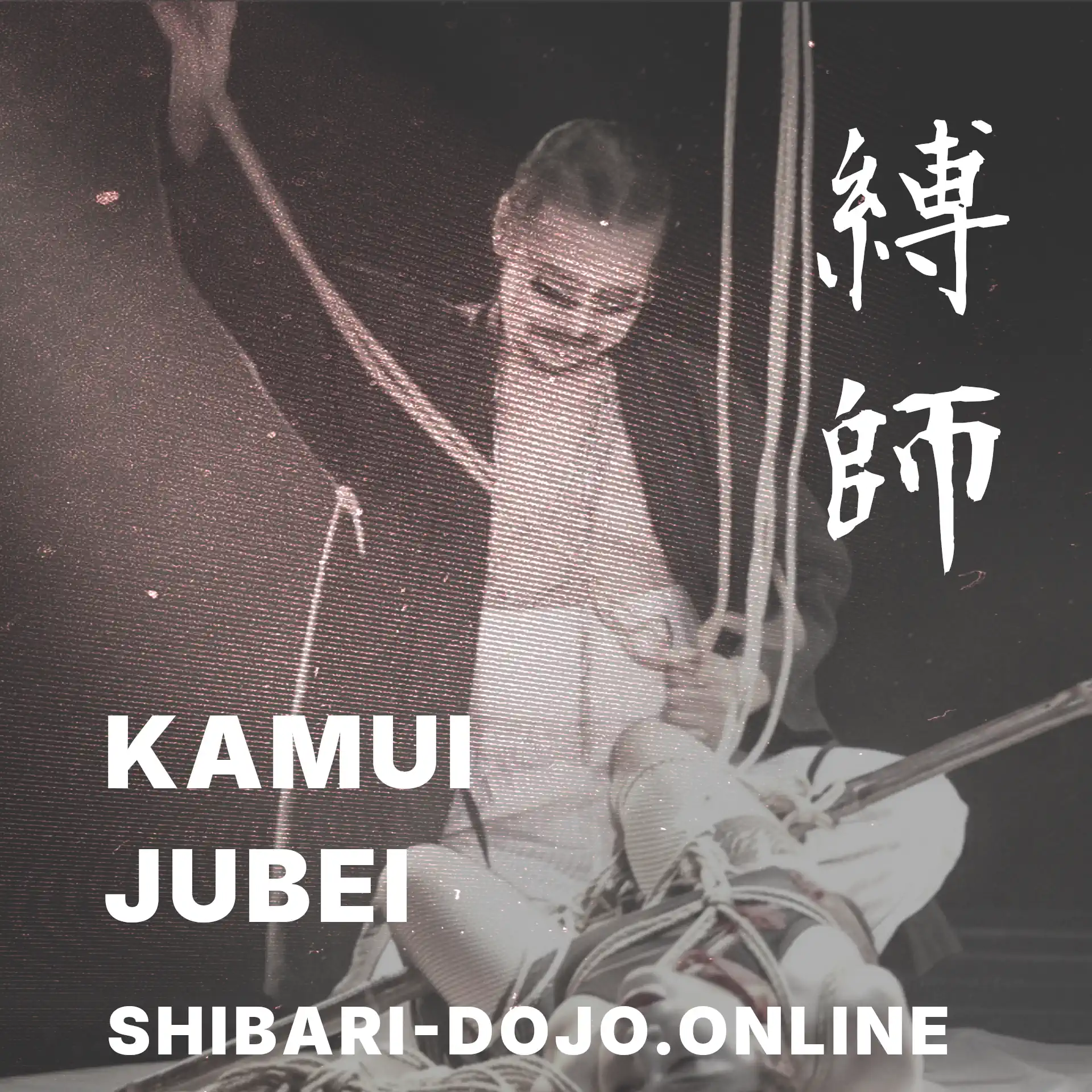
Kamui Jubei (神威十兵衛)
Kamui Jubei was born on September 13, 1959 (year 34 of the Showa era) and is a respected figure of classic kinbaku. He describes himself as kugutsu no kinbakushi (傀儡の緊縛師), “the rope puppeteer.”
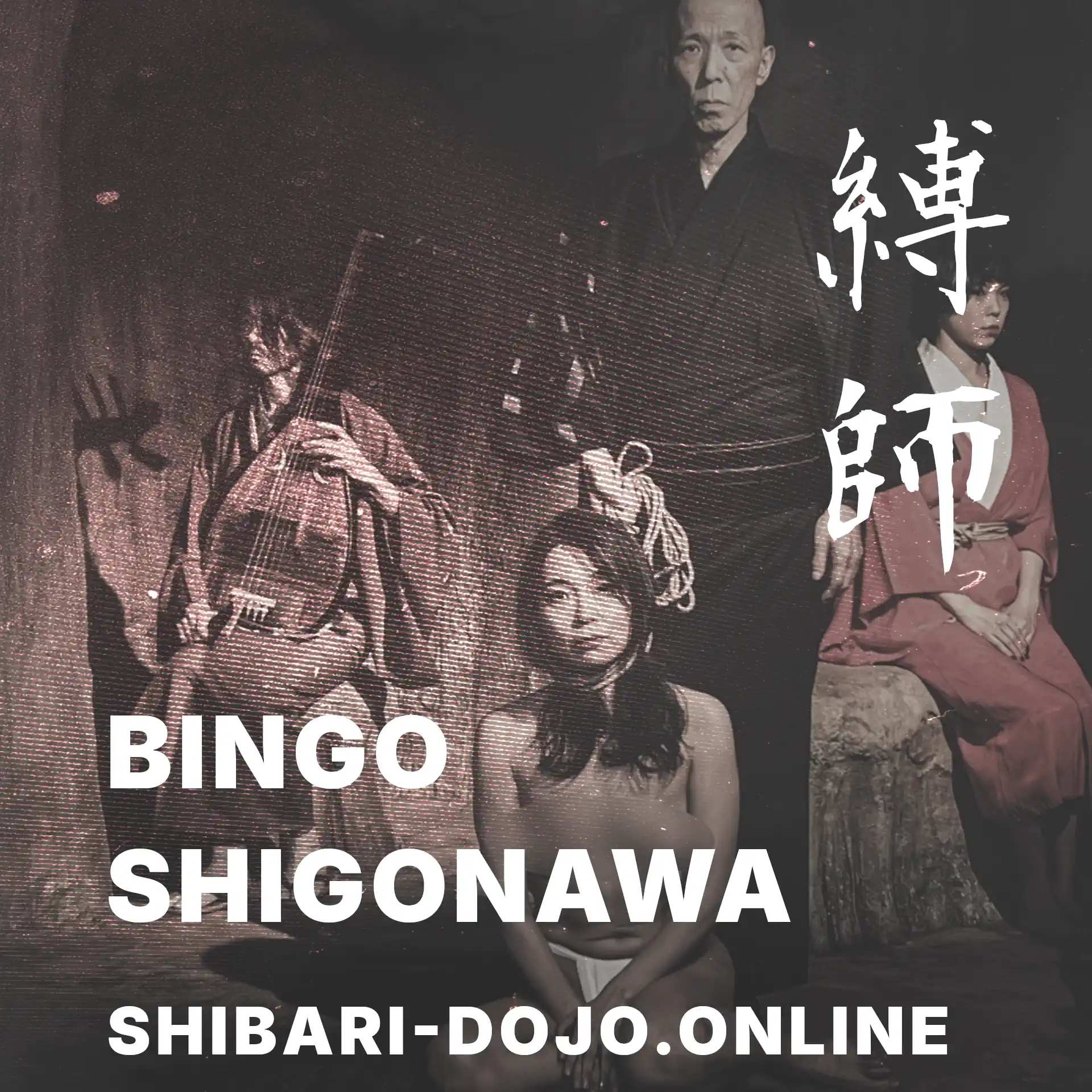
Shigonawa Bingo (紫護縄びんご)
Shigonawa Bingo was one of the singular figures of the contemporary Japanese kinbaku scene.
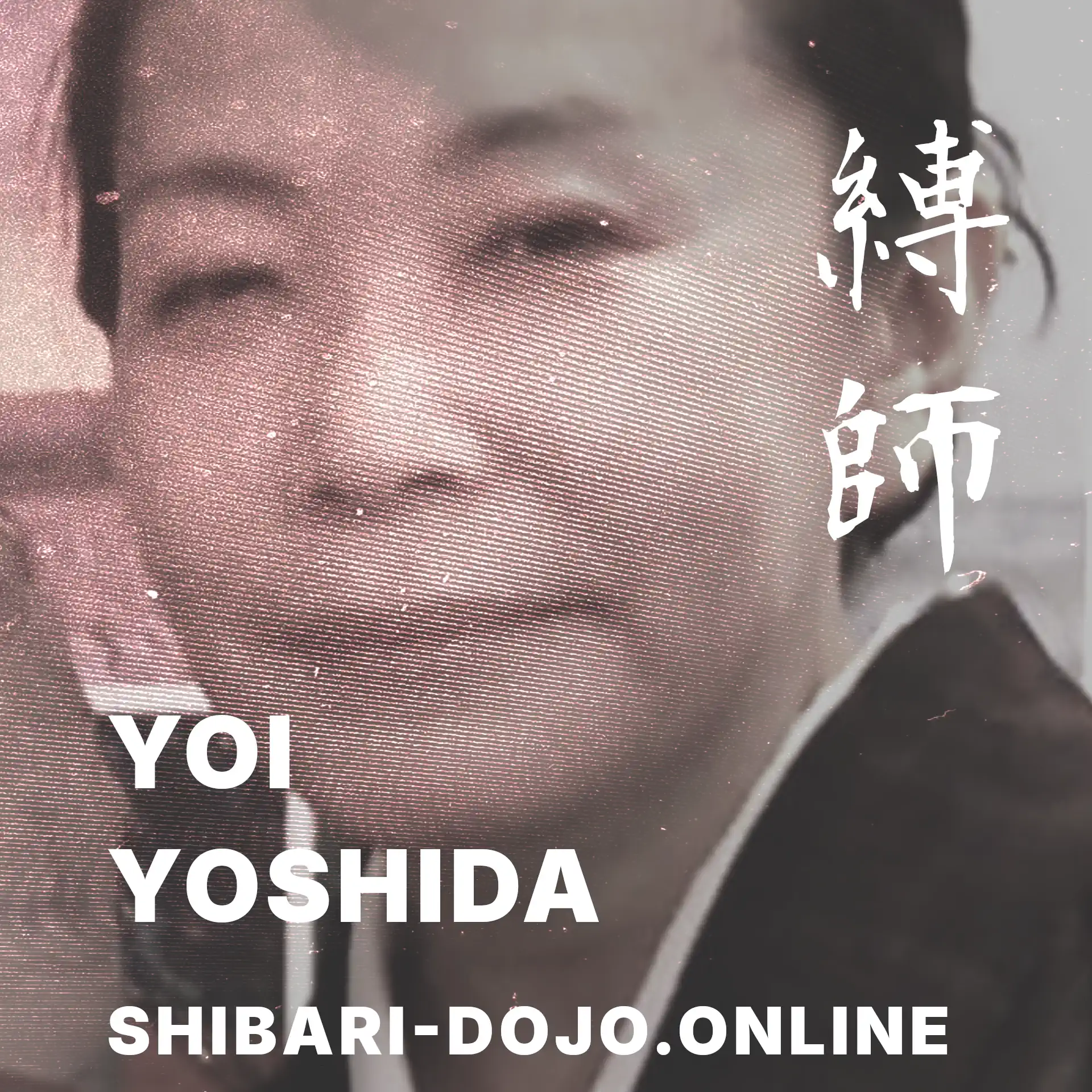
Yoshida Yoi (吉田よい)
A historic and popular Tokyo rigger (kinbakushi), she is known for running the bars -UBU- (初心) and -mitsu- (密蜜) with Shigonawa Bingo (紫護縄びんご), but above all for being the soul of Onawa Asobi, a festival devoted to “non-professional” shibari that has crossed borders and strengthened ties between continents.
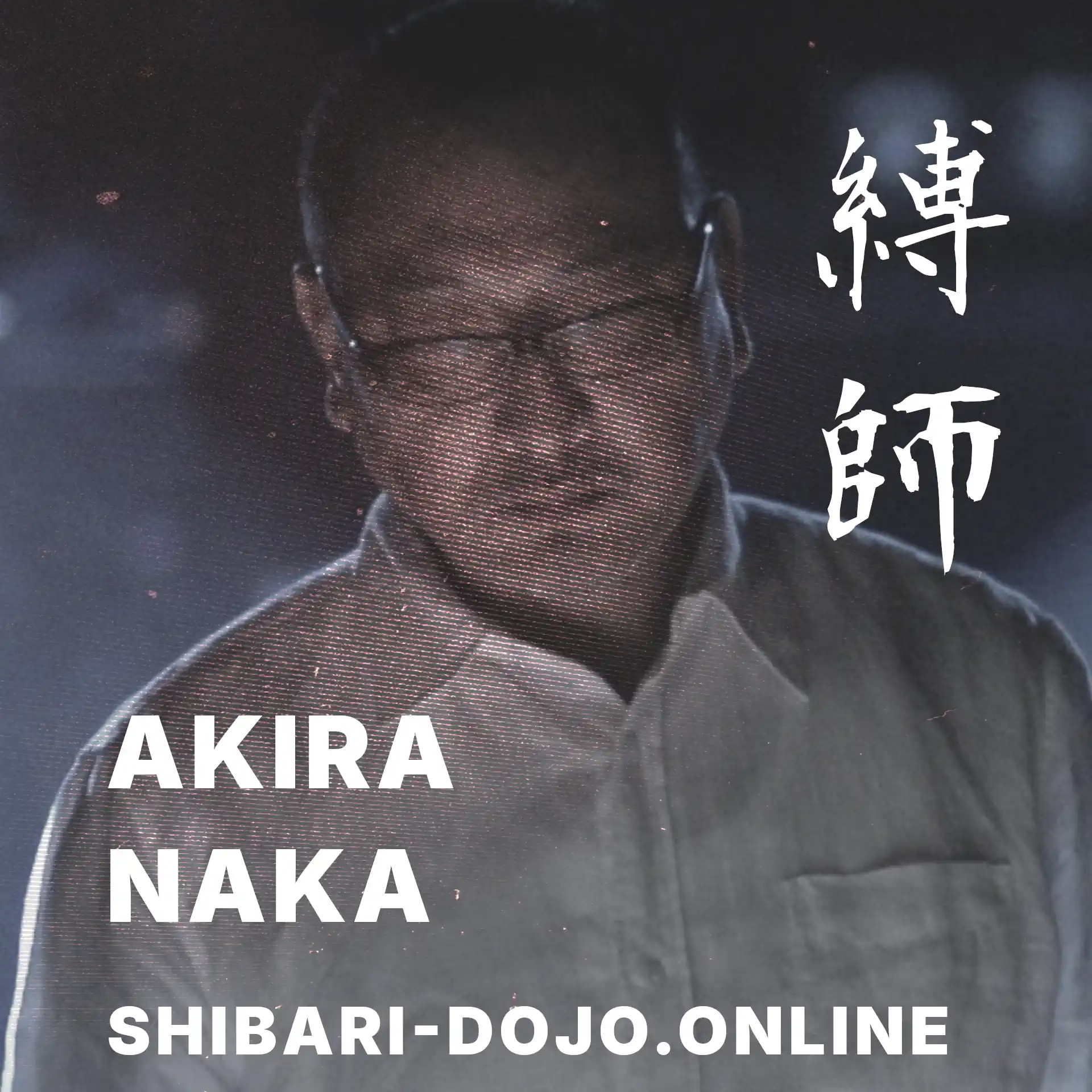
Naka Akira (奈加あきら)
Naka Akira (奈加あきら) was born on January 4, 1959 (year 34 of the Showa era) in Niigata. He discovered the world of shibari relatively late: around 1990, in the early years of the Heisei era, when he was about thirty.
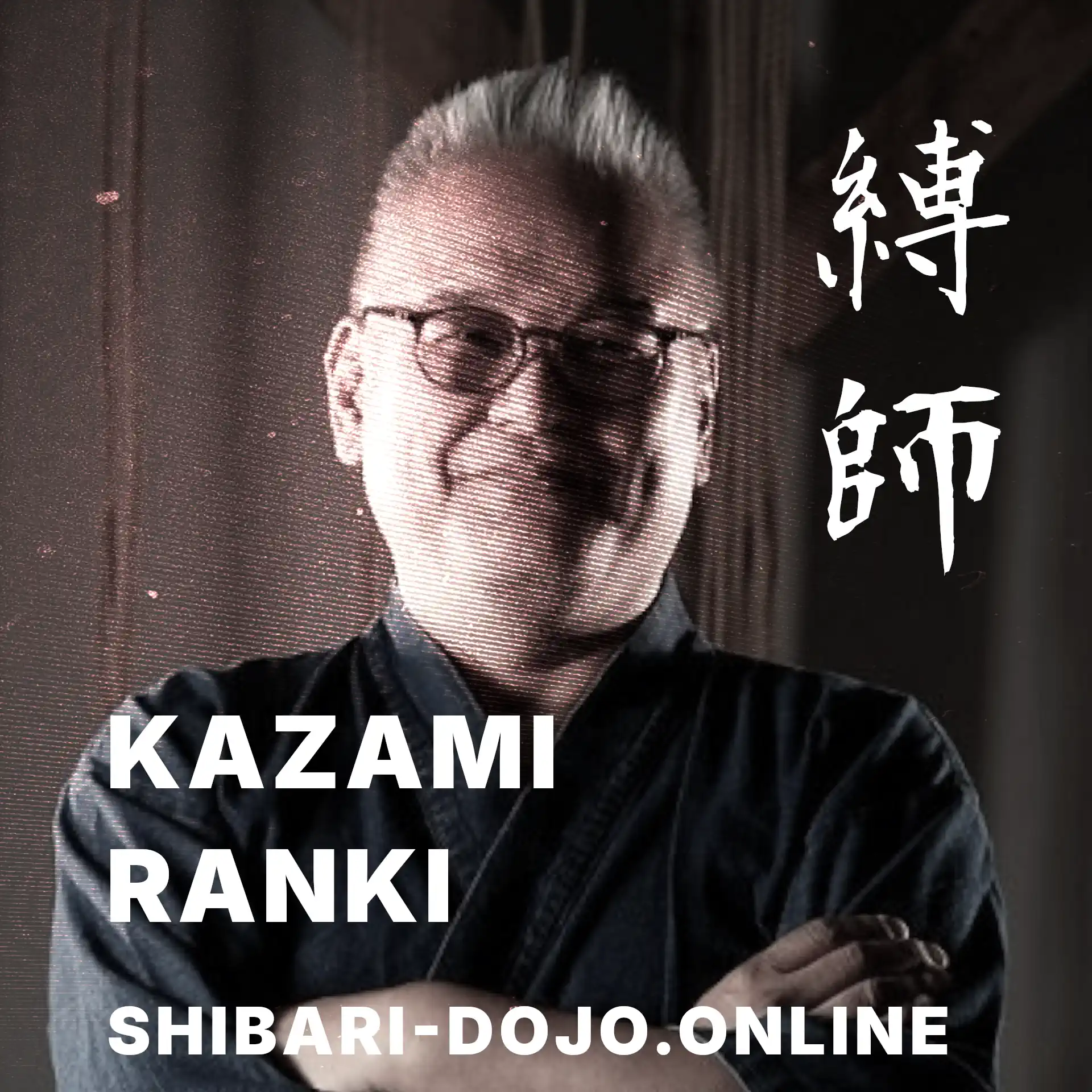
Kazami Ranki (風見蘭喜)
An Osaka native and a regular event organizer in Tokyo, Kazami Ranki is a well-known name on the Japanese shibari circuit.
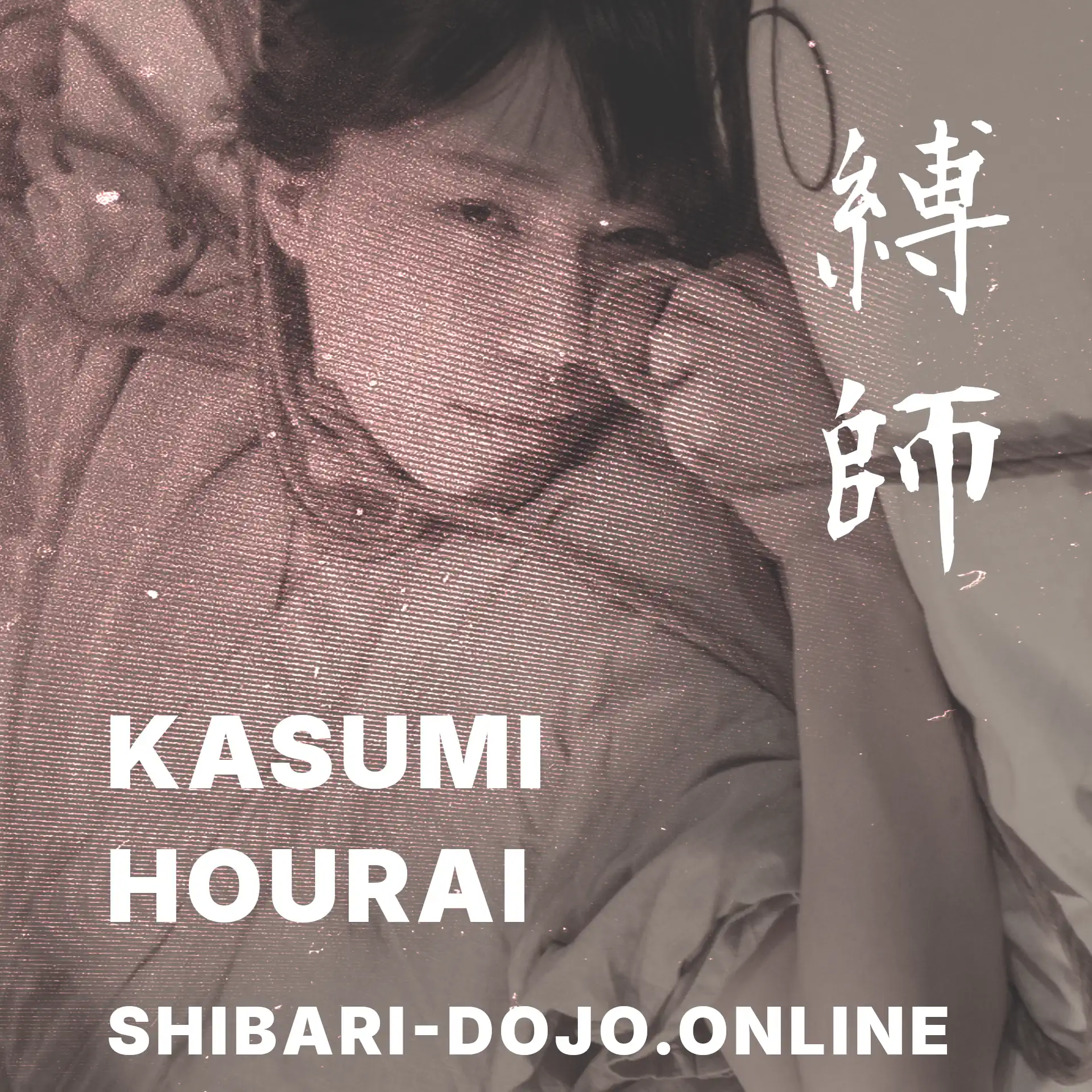
Hourai Kasumi (蓬莱かすみ)
Hourai Kasumi (蓬莱かすみ) was born in 1980 (year 55 of the Showa era) in Aichi Prefecture. A rigger based in Nagoya, she began her professional career in the late nineties and is a leading artist of her generation, recognized internationally.

Kamijo Saki (上条早樹)
Kamijo Saki (上条早樹)—dominatrix, shibari artist, musician and event producer, whose name is also written 神條咲—moves easily between the worlds of SM, kinbaku and punk rock, with the confidence of someone who has built her own universe from scratch.
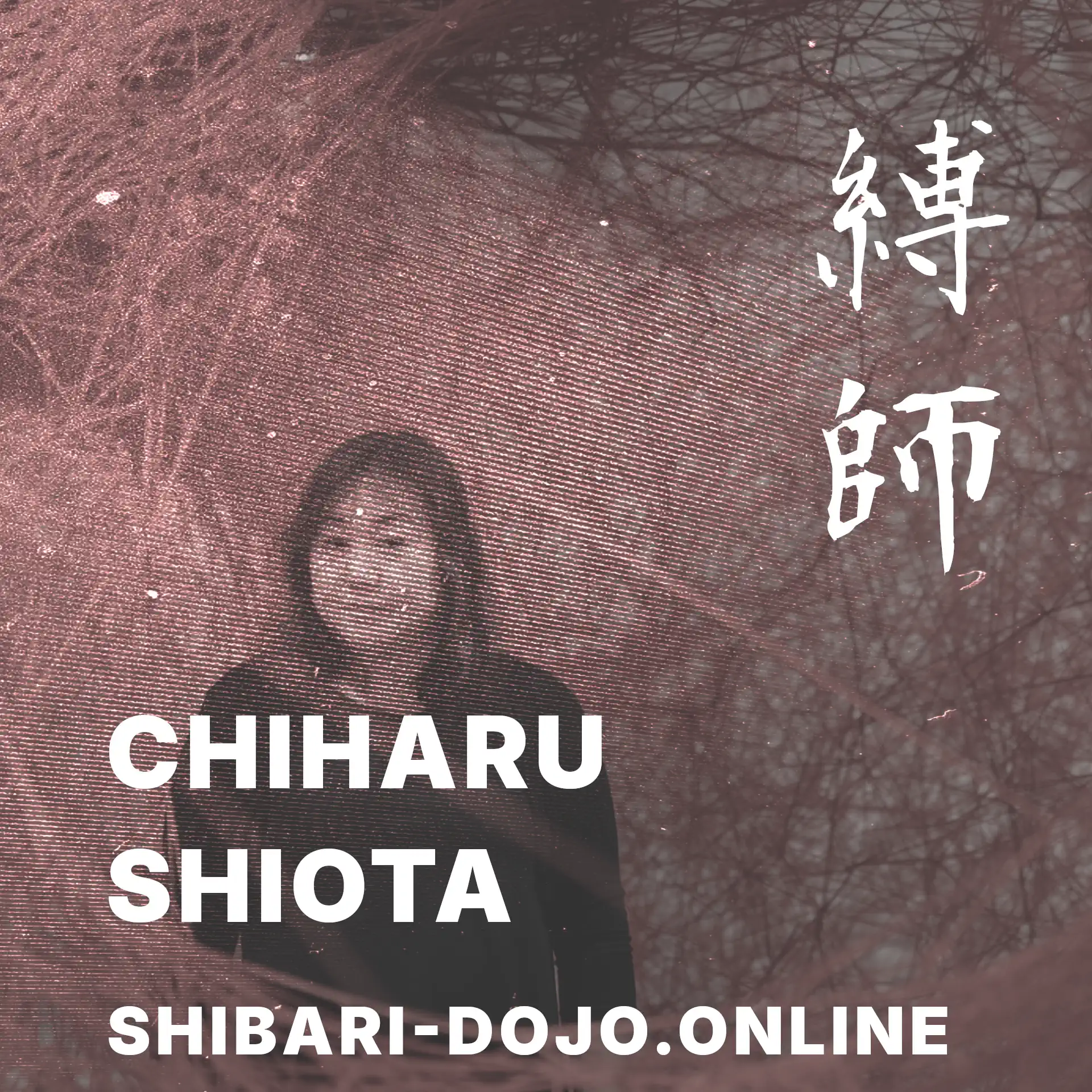
Shiota Chiharu (塩田千春)
Whenever I hear someone’s work described as “an artist in shibari,” I have my doubts. If it is already hard to do good shibari, or to create a quality piece of art, combining the two multiplies the difficulty.

Murata Ken'ichi (村田兼一)
Murata Ken'ichi (村田兼一) was born in 1957 (year 32 of the Showa era) in Osaka, Japan, and is a singular, provocative photographer of the contemporary Japanese erotic scene.

Hajime Kinoko (一鬼のこ)
By now, Hajime Kinoko’s name is well known, even beyond the shibari scene.
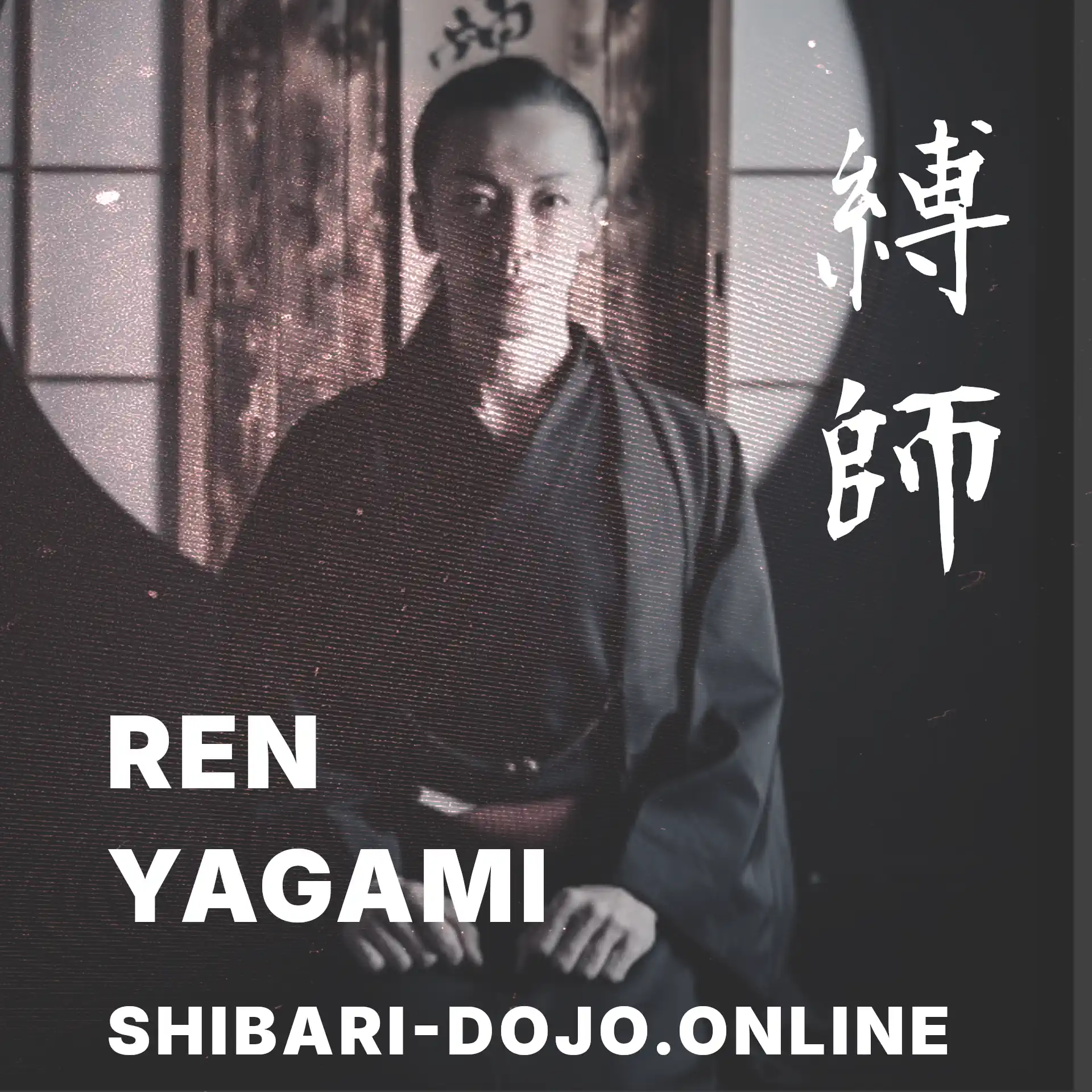
Yagami Ren (鵺神蓮)
Yagami Ren (鵺神蓮), born on May 18, 1984—year 59 of the Showa era—in Katsushika (Tokyo), is a Japanese rigger known for creating the sekibaku (責縛) style and founding the Yagami Ryu shibari school.
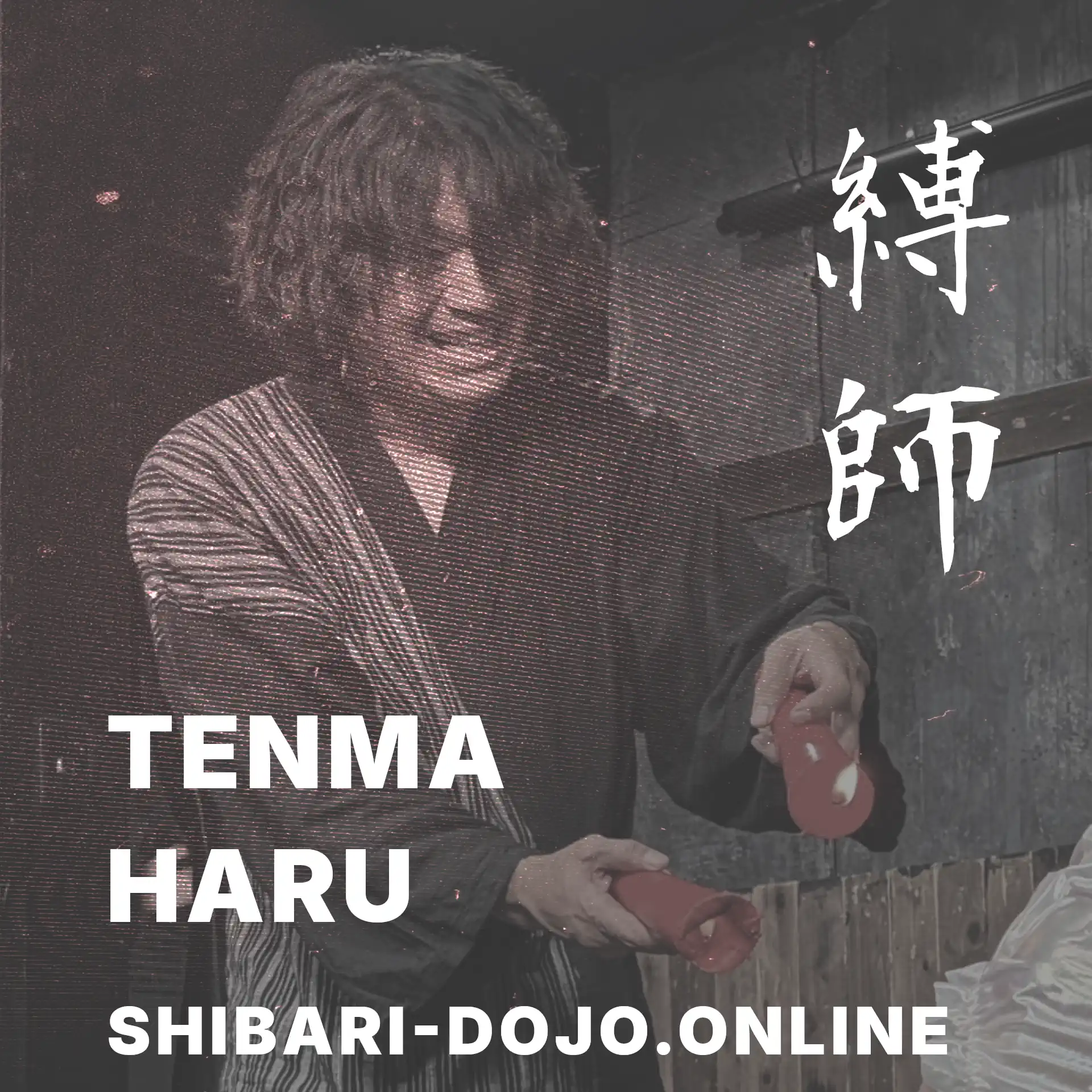
Tenma Haru (天馬ハル)
Tenma Haru (天馬ハル), a cheerful Japanese rigger, was born on May 20, 1975 (year 50 of the Showa era) in Kanagawa Prefecture. He has blended classic and modern concepts into a style of his own, Tenma-ryu (天馬流), which explicitly separates kinbaku from sadomasochism and steers it toward emotional connection between two people.

Kawahara Azumi (河原梓水)
Kawahara Azumi (河原梓水) is a Japanese researcher whose work has played a decisive role in placing sadomasochism, postwar SM magazines, kinbaku and the historical forms of “perverse sexuality” within a rigorous academic framework.
 ES
 EN